Understanding Dearth Season
Late summer brings a stretch of time beekeepers call dearth season, when nectar sources slow down and hives have to work with less. It's one of the more overlooked parts of the beekeeping calendar, but it shapes a lot of what we do this time of year.
What Dearth Season Actually Is
Dearth season happens when the flowers a hive depends on stop blooming in the same abundance they did earlier in the summer. In Vermont, this usually settles in during late July through August, after the big early and midsummer nectar flows have tapered off. Bees are still out foraging, but there's simply less for them to bring home.
Why It Matters for the Hive
With less nectar coming in, colonies shift how they behave. Foraging bees range farther to find what's left, which takes more energy for less return. Guard bees also tend to get more defensive, since resources are tighter and there's more competition, including from other colonies and from wasps looking for an easy meal. Robbing, when bees from one hive try to steal honey from another, becomes more common during this stretch.

What Beekeepers Watch For
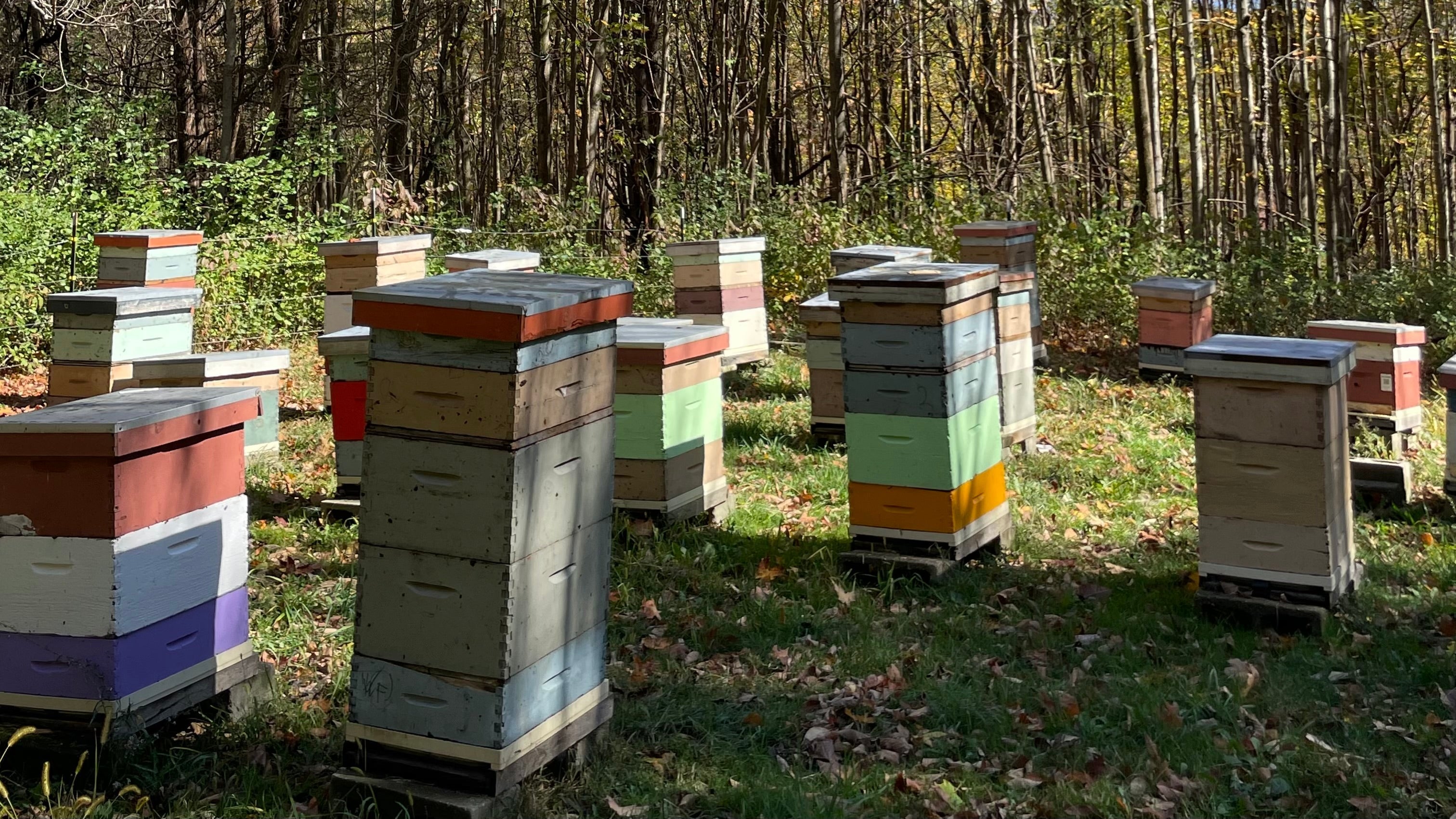
During dearth season, we pay closer attention to hive entrances, honey stores, and overall colony behavior. A few things we keep an eye on:
- Reducing hive entrances to help colonies defend themselves against robbing
- Making sure each hive still has enough stores to get through the gap
- Watching for signs of stress or aggression that can signal a colony is struggling
It's also a season that requires a lighter touch. Opening a hive too often during dearth can add stress at a time when the colony is already working harder to hold steady.
Why This Season Deserves More Attention
Dearth season doesn't get talked about as much as spring buildup or fall prep, but it's a real test for a colony. It's a reminder that beekeeping isn't just about harvest, it's about supporting bees through the harder stretches too. The choices made during dearth season often set the tone for how well a hive heads into fall.