What is Royal Jelly?
If you’ve been exploring natural wellness trends lately, you’ve probably noticed a growing buzz around royal jelly. This creamy bee-made substance is often marketed as an energy booster, immune supporter, and even a beauty enhancer. But what exactly is it—and does it really deserve the hype?
Let’s break down what royal jelly is, what it might do, and how it compares to more familiar bee products like raw honey and pollen.
A Special Food for a Special Bee
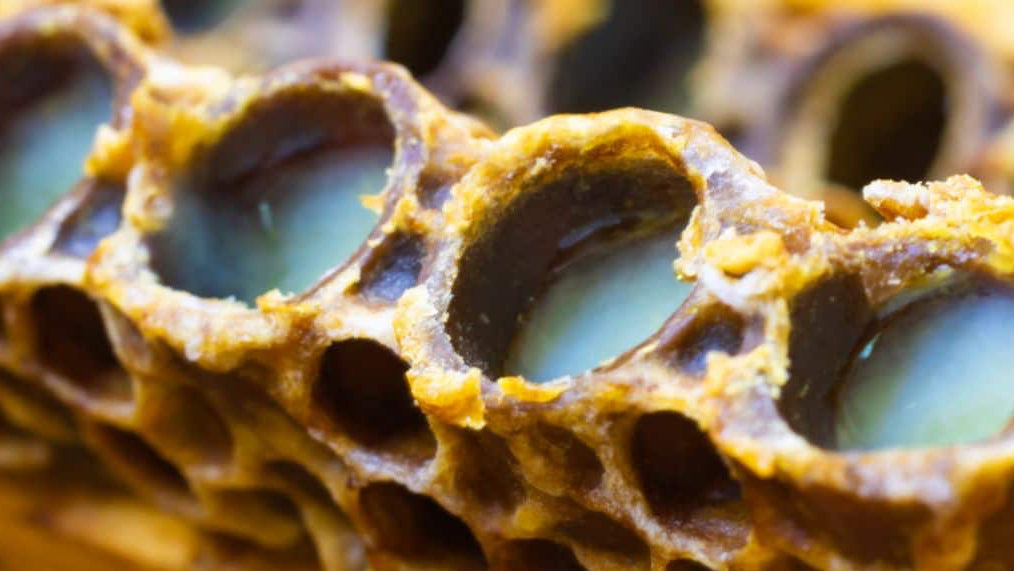
Royal jelly is a creamy, nutrient-dense secretion produced for the queen bee. While all bee larvae receive small amounts of it early in life, the future queen is the only bee that gets fed royal jelly exclusively.
This all-royal-jelly diet is what transforms an ordinary larva into a queen bee—a dramatic biological shift. The queen grows larger, develops reproductive organs, and gains the ability to lay thousands of eggs. All because of this unique food.

What’s Inside Royal Jelly?
Royal jelly isn’t just honey with a fancy name. It’s a completely different substance with its own unique profile:
-
Proteins, including MRJPs (major royal jelly proteins)
-
Fats, including 10-HDA, a fatty acid unique to royal jelly
-
Carbohydrates
-
B vitamins
-
Minerals and amino acids
These special compounds are what drive much of the interest—and the claims—around royal jelly’s potential health effects.

Is Royal Jelly Good for You?
This is where things get interesting.
There are many claims about royal jelly: boosting energy, supporting immunity, improving skin health, even aiding hormonal balance. While some early studies are promising, most research is:
-
small
-
done in animals or in labs
-
hasn’t been replicated on a large scale
So while royal jelly may have benefits, we’re still in the early chapters of this scientific story—not the final verdict.
What About Raw Honey and Bee Pollen?
Many general “bee product benefits”—like antioxidants, mild immune support, and nutrient content—also come from raw honey and bee pollen. So yes—some wellness benefits people seek from royal jelly can also be found in these more familiar hive foods.
Both are nutrient-dense and backed by a more established body of research. In fact:
-
Raw honey is well-known for its antimicrobial and soothing properties.
-
Bee pollen contains proteins, vitamins, and antioxidants.
However…
- Royal jelly does contain unique compounds (like 10-HDA and MRJPs) that honey and pollen do not.
- Whether those unique compounds translate into meaningful health benefits for humans is still something science is working to understand.

Should You Try Royal Jelly?
Royal jelly is often used in skincare, supplements, and sometimes eaten raw. Just keep in mind:
-
Some people—especially those allergic to bee stings or pollen—may react strongly to royal jelly.
-
It’s more expensive due to its labor-intensive harvesting process.
-
The benefits are possible, but not guaranteed.
If you're already enjoying raw honey and bee pollen, you're getting many of the nutrients and antioxidants that drive interest in bee-based wellness—without the premium price tag royal jelly often carries.