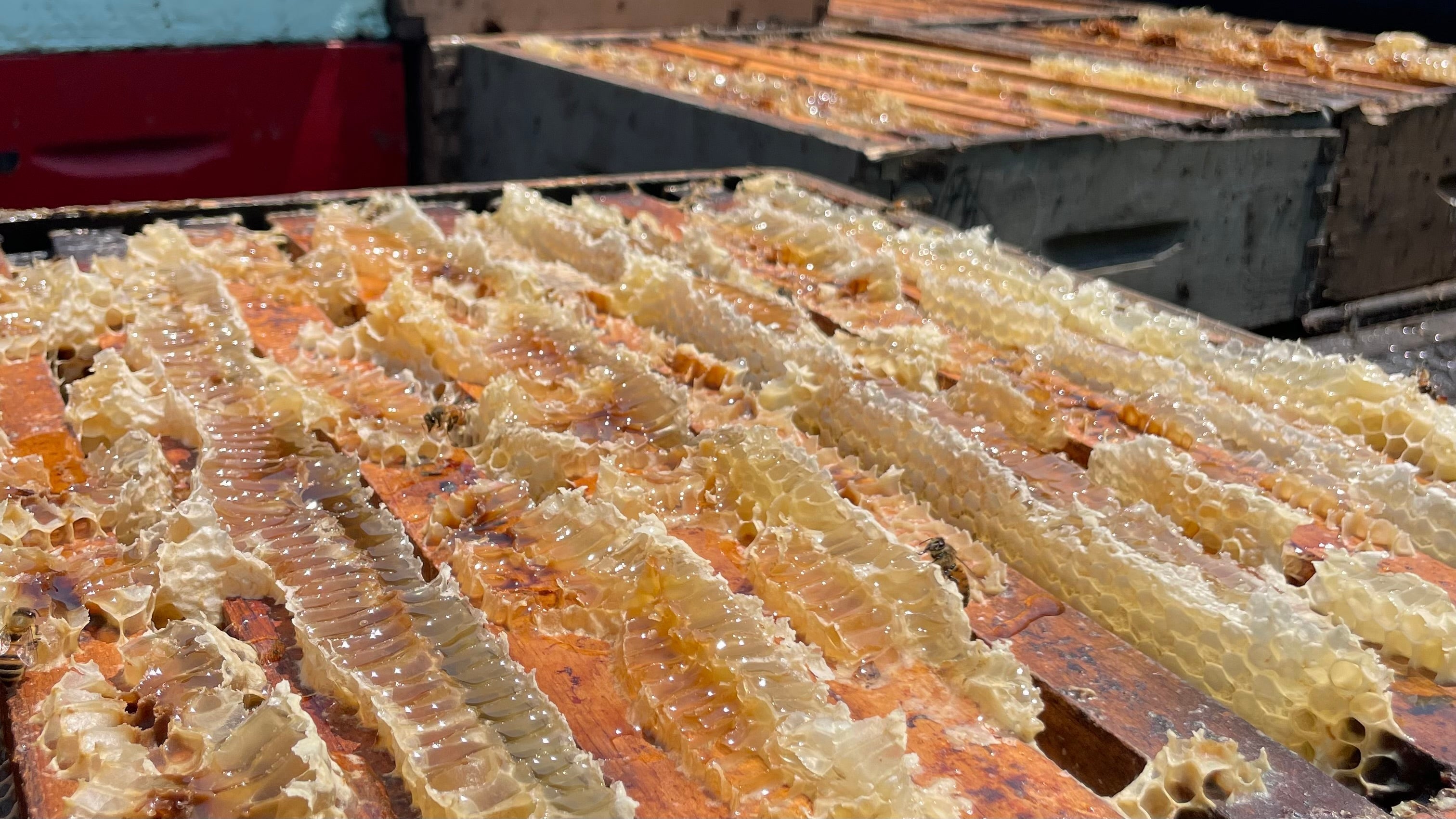
What is a Honey Flow?
If you've spent any time around beekeepers, you've probably heard someone mention "the honey flow" like they're talking about a golden window of time that can't be wasted. Honestly, that's exactly what it is.
The Basics
A honey flow (sometimes called a nectar flow) is the period when flowering plants are producing abundant nectar and the weather is favorable enough for bees to get out and collect it. It's the sweet spot (literally), when everything lines up just right for maximum honey production.
It's worth noting that the name is a little misleading. The "flow" isn't about honey pouring out of the hive. It's about nectar flowing in. When bees have more nectar coming in than they need for daily survival, they start storing the surplus. That surplus is what eventually becomes the honey we harvest.

What Makes a Honey Flow Happen?
A true honey flow requires a few things to align at once:
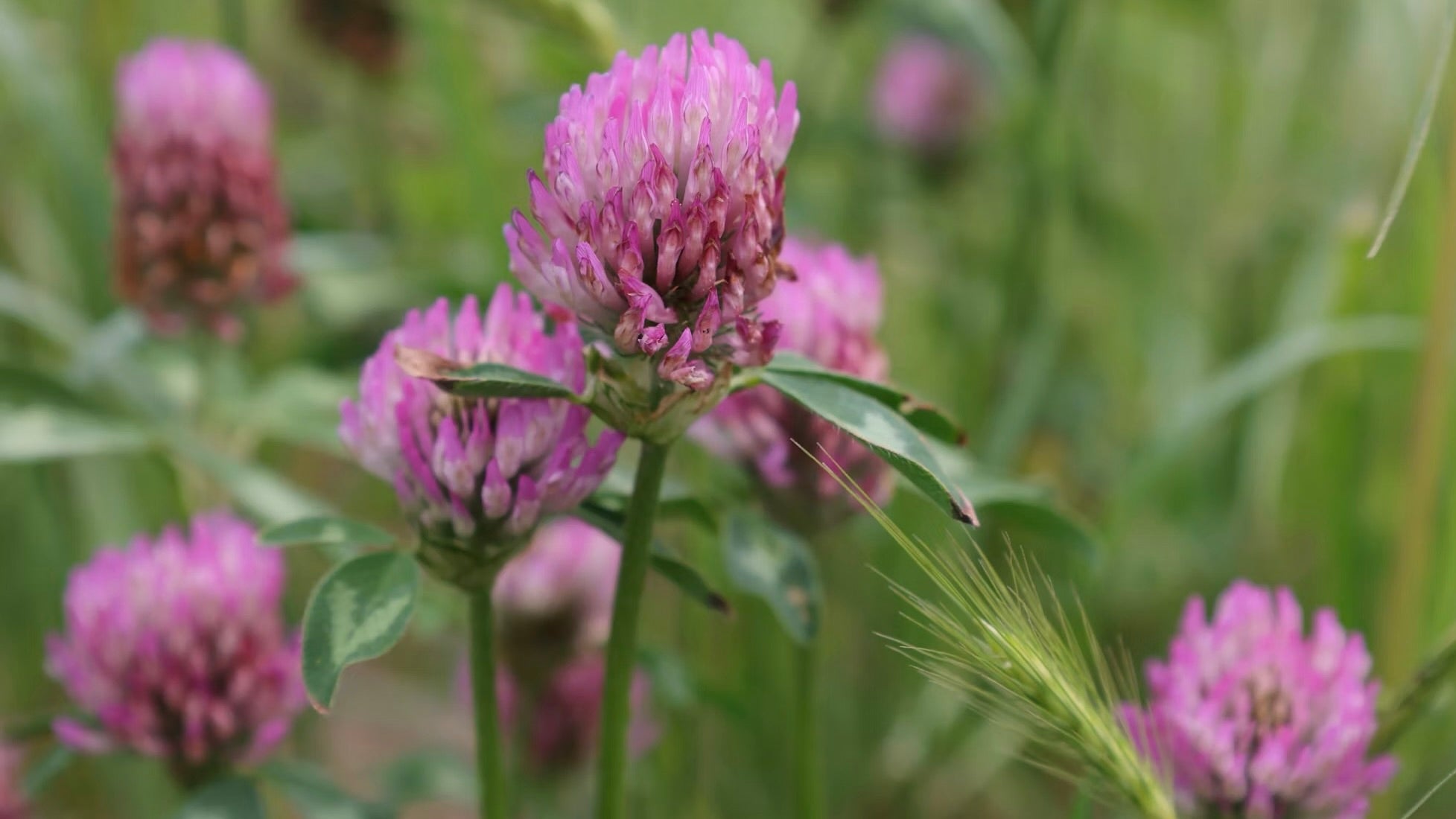
- Blooming plants are the most important factor. Major nectar producing plants need to be in bloom, such as clover, wildflowers, basswood, and fruit trees. No blooms, no nectar. No nectar, no flow.
- Good weather, with warm, sunny days being ideal. Bees can't forage in the rain or cold, and flowers can't produce nectar efficiently. The best conditions are warm days with a little rainfall in the evenings to keep plants hydrated and nectar producing.
- A strong colony. A large, healthy population of forager bees means more trips, more nectar collected, and more honey stored. This is why beekeepers spend the spring building up their colonies, so they're ready when the flow arrives.
How Long Does It Last?
That depends entirely on where you are. In some regions, a honey flow might last only two to three weeks. In areas with a wide variety of flowering plants that bloom in succession, it can stretch for months.
Vermont is actually a fantastic place for an extended honey flow. Our varied landscape of meadows, forests, farmland, and roadsides means there's almost always something in bloom from late spring through late summer. Clover, basswood, goldenrod, and wildflowers create a rolling succession of nectar sources that keep our bees busy well into August.

What Does a Honey Flow Look Like?
You don't need to open a hive to know a flow is on. The signs are pretty obvious:
- The entrance is packed. You'll see a constant stream of forager bees coming and going from sunup to sundown.
- Fresh white wax. Inside the hive, bees build new comb rapidly during a flow, you'll see bright white wax being drawn out across frames.
- The hive feels heavier. Experienced beekeepers will actually lift the back of the hive to gauge how much honey is being stored.
- The bees are calm and focused. During a strong flow, bees are too busy working to be too aggressive. The whole hive has one job.
What Happens After the Flow?
Once the major nectar sources stop blooming, the colony shifts gears. Foraging slows, the bees become more protective of their stores, and the hive population begins to wind down in preparation for fall and winter. This post-flow period, called a nectar dearth, is when beekeepers typically do their harvest, pulling the surplus honey the bees have stored above and beyond what they need to survive winter.
At Champlain Valley Apiaries, our primary honey flow runs through June and July, with our August extraction marking the end of peak production season. It's our favorite time of year. The farm is buzzing (quite literally), the supers are filling up, and the honey that ends up in your jar has been weeks in the making.

Why It Matters
Understanding the honey flow isn't just beekeeper trivia, it's the heartbeat of the whole operation. Every jar of CVA honey is the direct result of a short, precious window of time when Vermont's landscape and our bees were working in perfect sync. That's something worth appreciating the next time you twist open a jar.