Pollinators Need You This Summer
Beekeepers notice things before anyone else does, because we're out checking hives nearly every day. And what many have been noticing the past few summers is fewer bees, slower activity, and smaller numbers. Nothing dramatic on any single day, just a steady, growing quietness.
Summer is when pollinators are working their hardest. Bees, butterflies, moths, all of them are trying to raise their next generation and stock up on enough food to make it to fall. And it's also the season when they're up against the most pressure. Pesticide drift, lawns mowed before the clover gets a chance to flower, stretches of dry weather that leave less nectar around than usual. None of these are new problems, but they aren't letting up either.
We've been keeping bees in the Champlain Valley for four generations now, and if there's one thing that's stayed true the whole time, it's that a good season isn't something we can manufacture ourselves. It depends entirely on what's blooming out there, and on enough people caring whether it keeps blooming.

A few things that actually help
You don't have to overhaul your whole yard to make a difference. Some of this is genuinely just about doing less, not more.
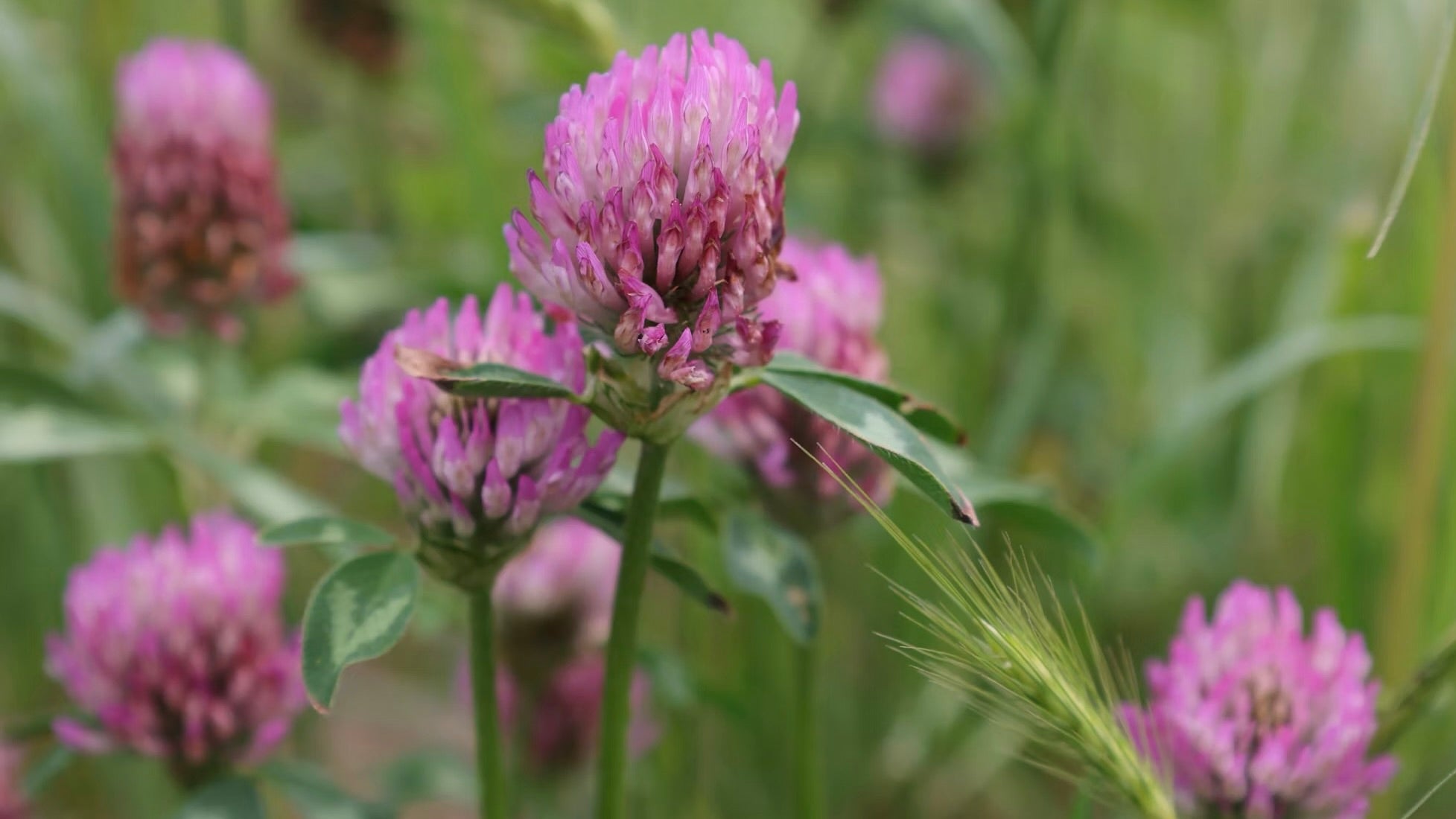
- Skip a mow or two and let the clover and dandelions flower before you cut them down.
- Plant something native if you've got the space. Bee balm and goldenrod are easy and the bees love them.
- Hold off on pesticides and herbicides on anything that's flowering, especially during the day.
- Put out a shallow dish of water with a few pebbles in it so bees have somewhere safe to land on hot days.
- Buy honey and other products from local beekeepers when you can. It keeps more hives healthy in your area, which helps everyone's gardens, not just ours.
The bigger picture
Vermont's Pollinator Protection Act put some real limits on neonicotinoid use, and that didn't happen on its own. Laws like that stick around because people keep paying attention and keep showing up for them, whether that's a phone call to a representative or just talking about it with your neighbor.
We don't have this all figured out either. We're still learning what works and what doesn't every season. But we'd rather try and adjust than assume someone else has it handled.
If you end up doing anything different in your yard this summer because of this, even something small, please let us know. We love hearing about it!