What are the Health Benefits of Bee Pollen?
Bee pollen has gained a reputation as one of nature’s most powerful superfoods. Collected by bees as they travel from flower to flower, these tiny golden granules are packed with nutrients that may support overall health and vitality.
But what do we really know about the health benefits of bee pollen?

What Is Bee Pollen?🐝
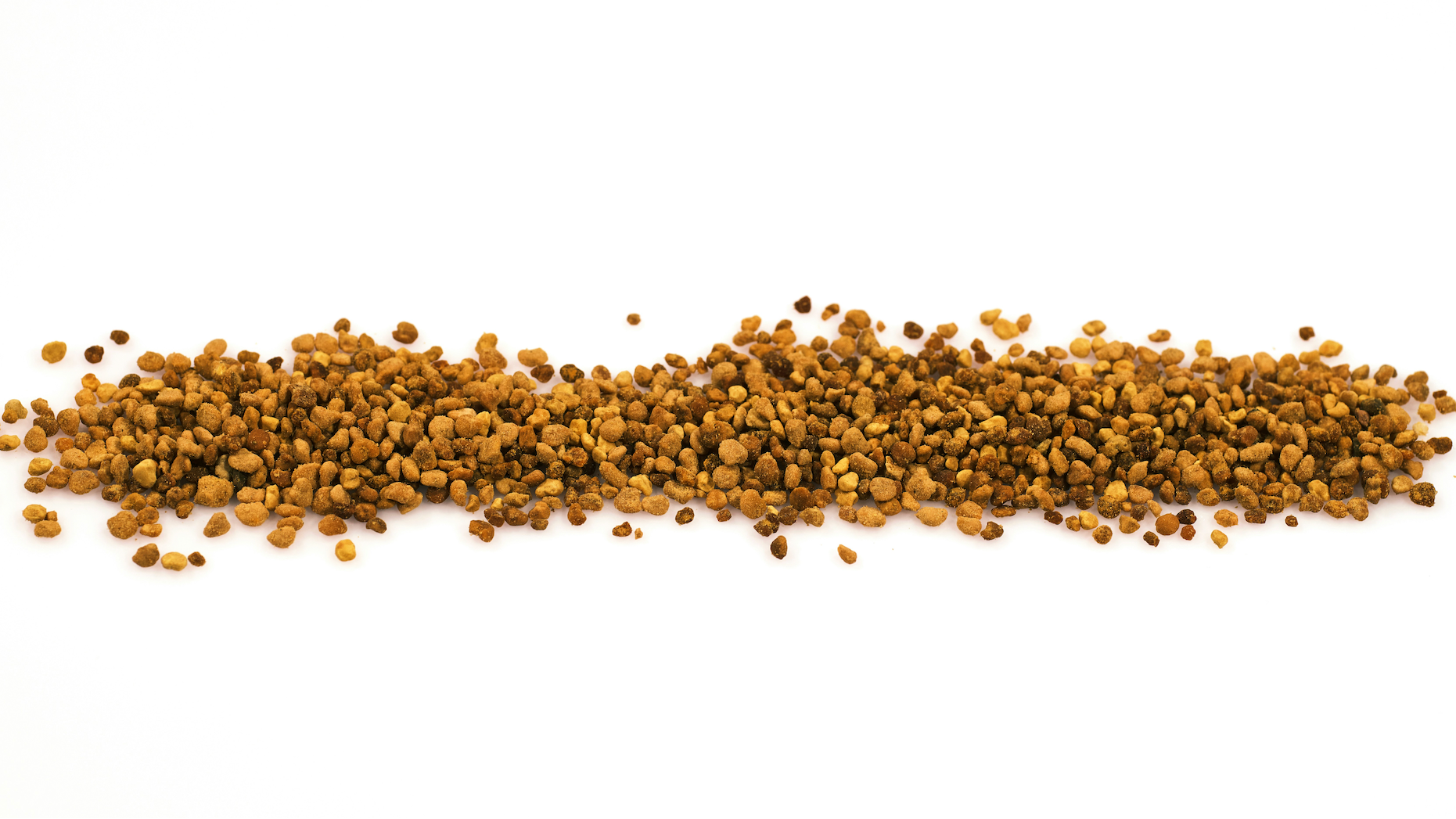
Bee pollen is a mixture of flower pollen, nectar, enzymes, honey, wax, and bee secretions. Bees collect pollen from flowering plants and pack it into pellets that they carry back to the hive. Beekeepers harvest a portion of these pellets, which are then dried and sold as a dietary supplement.
Its composition can vary depending on the plants from which the pollen was collected, but generally includes:
-
Protein and amino acids
-
Vitamins, such as B vitamins and vitamin C
-
Minerals, including magnesium, potassium, calcium, and iron
-
Antioxidants, including flavonoids and carotenoids
-
Healthy carbohydrates and enzymes
Each pellet contains a concentrated mix of nutrients derived from plants, making bee pollen a naturally nutrient-dense food.
What Are the Potential Health Benefits?💪
1. Rich in Antioxidants: Bee pollen contains a wide variety of antioxidants, including flavonoids and phenolic compounds. Diets rich in antioxidants are associated with lower risk of chronic conditions such as heart disease and certain inflammatory disorders.
2. May Support Immune Function: Some research suggests bee pollen may help support the immune system. In traditional medicine, bee pollen has often been used as a general immune-supporting tonic.
3. Anti-Inflammatory Properties: Inflammation plays a role in many chronic health issues. Certain compounds found in bee pollen may help reduce inflammatory responses in the body. While more human studies are needed, these findings suggest potential for supporting overall wellness.
4. Possible Support for Heart Health: Preliminary research suggests that bee pollen may help support cardiovascular health. However, more clinical research is needed to confirm these benefits in humans.
6. May Aid Digestive Health: Bee pollen contains enzymes and beneficial compounds that may support digestion. Some studies suggest it may help promote healthy gut bacteria and improve nutrient absorption.

How To Eat Bee Pollen?🤔
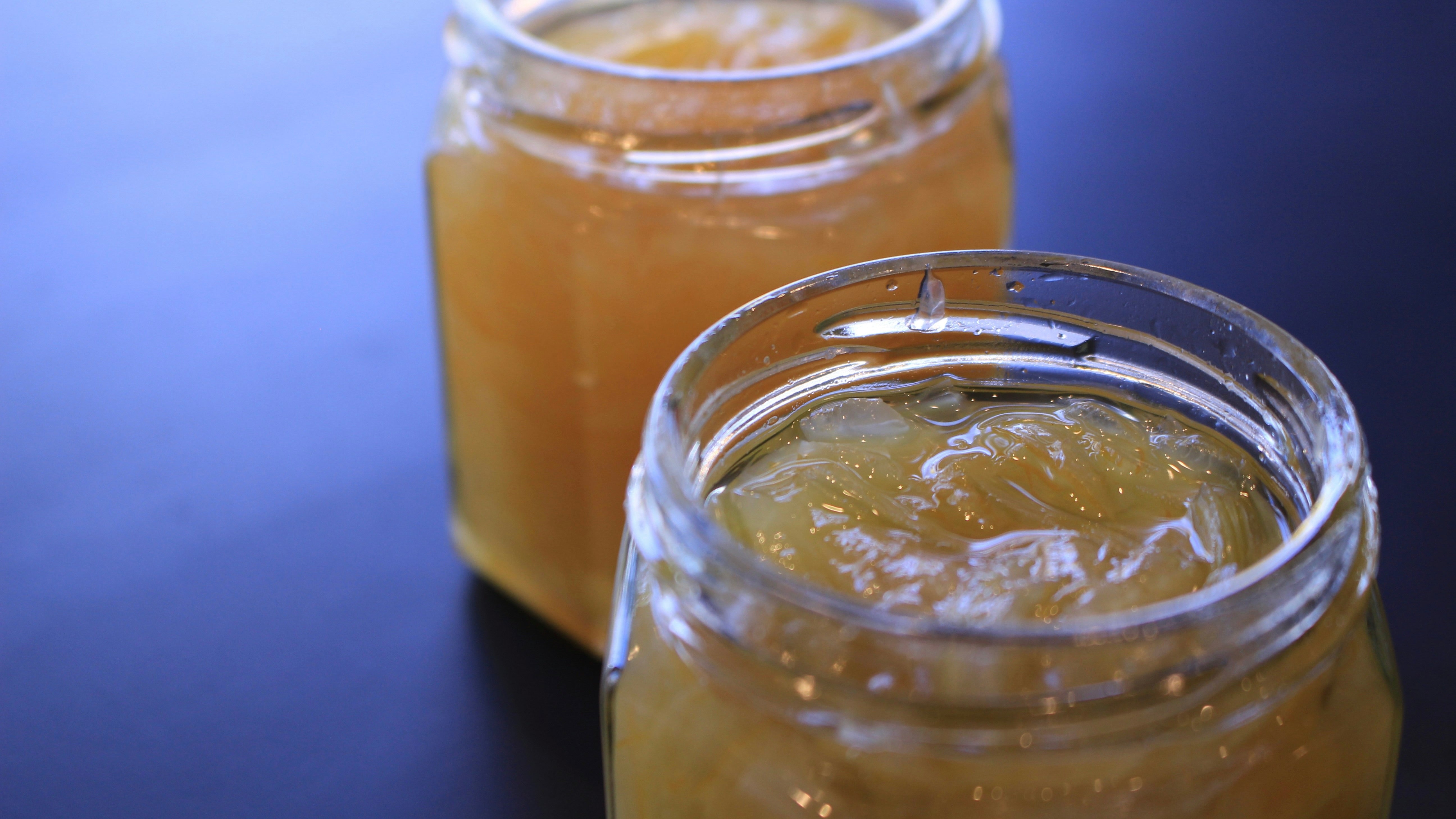
Bee pollen is available in several forms and many people add a small amount of bee pollen granules to yogurt, oatmeal, smoothies, or salads. It has a mildly sweet, floral taste with a slight crunch. Additionally, bee pollen is found in trace amounts in 100% raw, crystallized honey.
**We recommend a spoonful for raw honey a day to get both the benefits of bee pollen and honey at the same time.**
Safety Considerations⚠️
While bee pollen is generally safe for most people, there are a few important precautions:
-
Allergies: People with pollen or bee allergies should avoid bee pollen, as it can trigger serious allergic reactions.
-
Pregnancy: Pregnant or breastfeeding individuals should consult a healthcare professional before using bee pollen supplements.
-
Medication interactions: Bee pollen may interact with certain medications, including blood thinners.
As with any supplement, it’s wise to talk with a healthcare provider before adding bee pollen to your routine.
Final Thoughts
Bee pollen is a nutrient-rich natural food that may offer a range of potential health benefits, from antioxidant support to improved energy and immune function. While research is still evolving, its long history in traditional medicine and impressive nutritional content make it a fascinating addition to a balanced diet. 🐝