Native Pollinator Plants for Your Fall Garden Bed
Fall planting doesn't get as much attention as spring, but it's one of the best times to set up a garden that supports pollinators for years to come. Native plants are especially valuable this time of year, offering late-season nectar for bees and other pollinators still active before the first frost, and giving new roots a head start before winter.
Why Fall Planting Works
Cooler temperatures and steady fall rains take a lot of the stress out of planting. Roots have time to establish before the ground freezes, without the heat and drought pressure of summer planting. Come spring, these plants are ready to grow right away instead of spending the season just getting settled.
Plants to Consider
A few native options that do well in Vermont gardens and support pollinators through the fall:
- New England Aster – One of the best late-season nectar sources around, blooming right when many other flowers have finished for the year. Bees and butterflies rely heavily on asters this time of season.

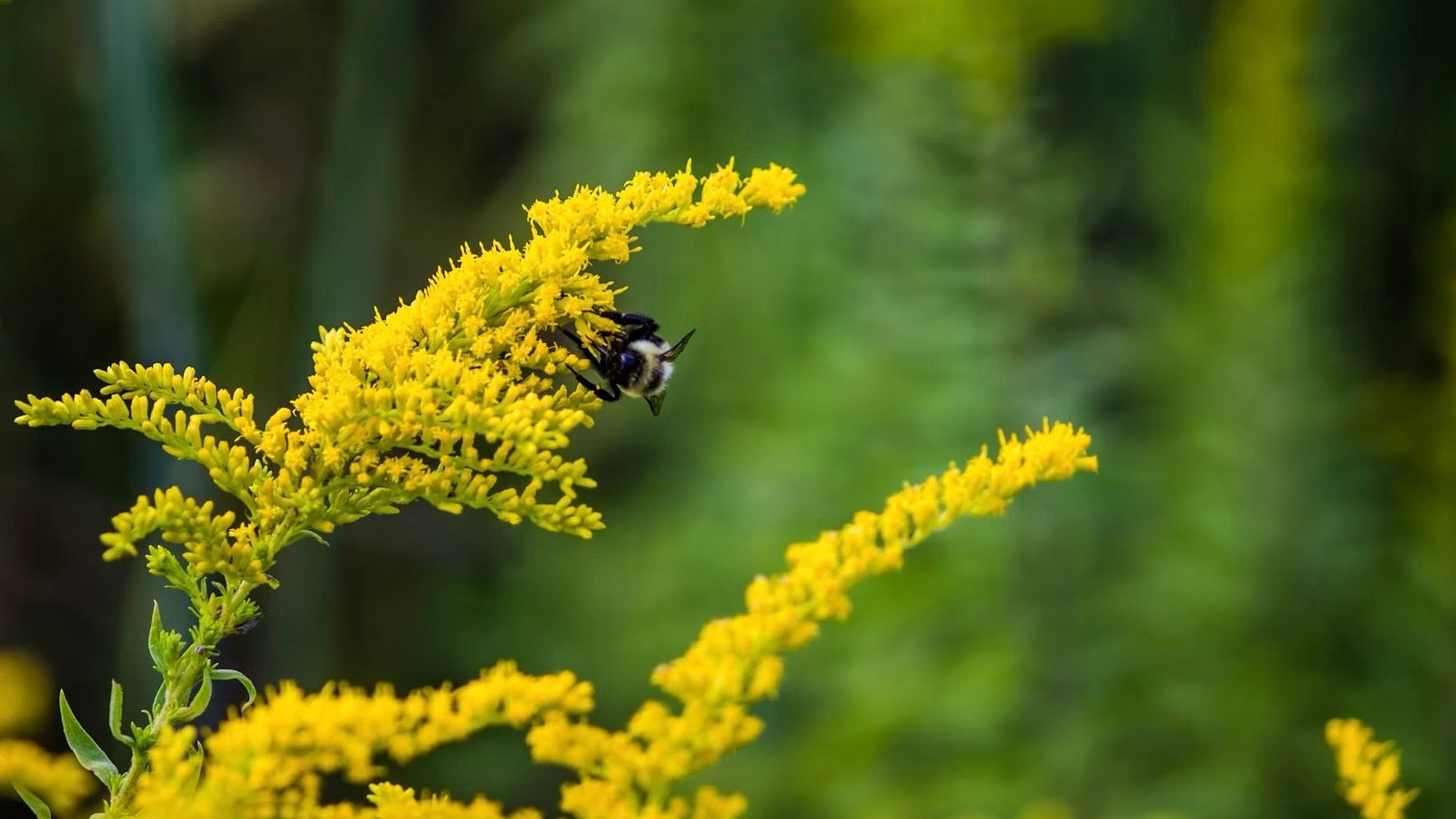
- Goldenrod – Often mistaken for the cause of fall allergies, when it's usually ragweed. Goldenrod is a major late-summer and fall nectar source and supports a wide range of pollinators and other beneficial insects.

- Wild Bergamot (Bee Balm) – A favorite for bees and hummingbirds, with blooms that can extend into early fall depending on conditions.

- Joe-Pye Weed – A tall, striking native that draws in bees and butterflies, and works well in the back of a garden bed or along a fence line.

- Black-Eyed Susan – Reliable and low-maintenance, with a bloom period that often stretches into fall.

A Few Planting Tips
- Group plants in clusters rather than scattering single plants, since pollinators forage more efficiently when flowers of the same type are close together.
- Leave some seed heads standing through winter instead of cutting everything back. They provide food for birds and shelter for overwintering insects.
- Choose a mix of bloom times where possible, so there's still something flowering as the season winds down.
Small Beds Make a Difference
You don't need a large garden to make an impact. Even a modest bed of native plants gives pollinators a place to refuel during a time of year when food sources are already getting scarce. Every bit of habitat added helps support the bees and other pollinators working to get through the last stretch before winter.